


-
05/26/2026 Army vet supports her Navy sister in tough hospital journey
“I went to Japan and I was ready to spend the next 20 years there,” Kayla Saska said, a former sailor describing her first duty station. “I loved it, the people, the culture.”
-
04/01/2026 Volunteer of the Year: Roberta Love
For more than a decade, Roberta Love has been the steady, compassionate presence that makes the Joint Base San Antonio Army Fisher House feel like home. Her name is synonymous with kindness, reliability, and selfless service. Roberta doesn’t just support military families, she lives the mission of the Fisher House every day...
-
03/30/2026 The Gift of Breath and the Power of Family
Retired Navy helicopter pilot and Iraq veteran Steve Schellberg was diagnosed with idiopathic pulmonary fibrosis in 2024 following a sudden collapse. After being evaluated for a double lung transplant at the University of Pittsburgh Medical Center, he underwent transplant surgery in September 2025. During the nearly five-month hospital stay, his wife Michelle stayed at the Pittsburgh Fisher House, ensuring she could remain close throughout his recovery.
-
03/27/2026 Second Fisher House Under Construction at the Pittsburgh VA
New Comfort House will more than double support to Veteran families.
-
03/27/2026 Beazer Homes Surpasses $10 Million Raised for Fisher House Foundation
Employee and partner-led charitable giving effort delivers one million nights of free housing for veterans and service members.
-
02/13/2026 Hero Miles keeps family together after airman’s multiple surgeries
Amber Wolfe supported her son through multiple surgeries on his abdomen after ulcerative colitis changed his life, helping him with nearly every daily task and his medical care for weeks at a time as he navigated recovery from the surgeries and, temporarily, life with a colostomy bag. “I had a flow chart of when he could take medicine, when he couldn’t take medicine because he was on so many different medicines at the same time” she said...
-
01/08/2026 Army MP celebrates life after motorcycle crash
When the Parlis’ son was injured in a nearly fatal motorcycle crash, Fisher House Foundation’s Hero Miles allowed the family to stay together over two years of tough recovery. Now, Joseph Parli is medically retired but able to do most things on his own and even volunteered at Warrior Games, an adaptive sports competition for wounded, injured, or ill service members and veterans.
-
01/05/2026 DCUC Community Supports Fisher House Foundation Through Record Conference Fundraiser
The Defense Credit Union Council, DCUC, is proud to announce that DCUC’s 2025 Conference with a Purpose raised $60,000 for Fisher House Foundation, marking the largest fundraising total in DCUC conference history. This year’s success brings the cumulative funds raised through DCUC’s Conference with a Purpose initiative to $523,000 since its inception in 2003.
-
12/05/2025 Dad and his newborn win photo contest in Hawaii shot
Jeremiah DeMesa was getting a few rays of sun with his newest daughter when Tripler Army Fisher House Manager Kevin Valera asked if he could take a quick photo of them together. The sun's rays passed over Jeremiah and Mirathea Jae Ocampo DeMesa as Kevin snapped the image in May 2025, less than a month after Mirathea's birth...
-
12/02/2025 Fisher House Foundation Maintains “Four Stars” For 22 Years From Charity Navigator, A+ From Charity Watch
Support Network of 100 Fisher Houses Rated as one of the top Veteran and Military Charities
- Load More
Tell Us Your Story
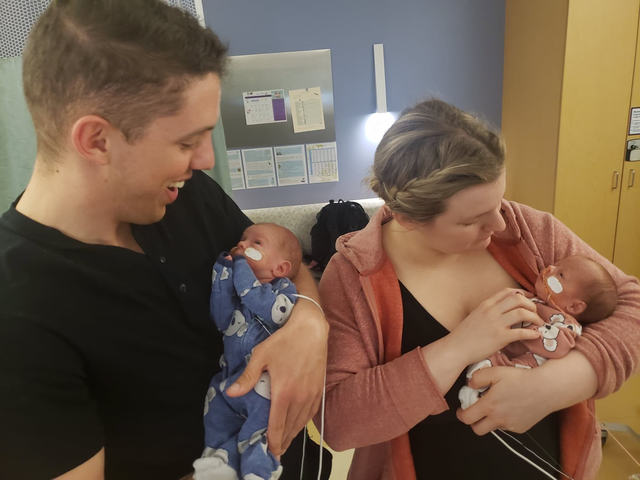
If you have stayed in a Fisher House over the last 30 years, take a minute and tell us your story
Gold Star Sister's Fisher House Story
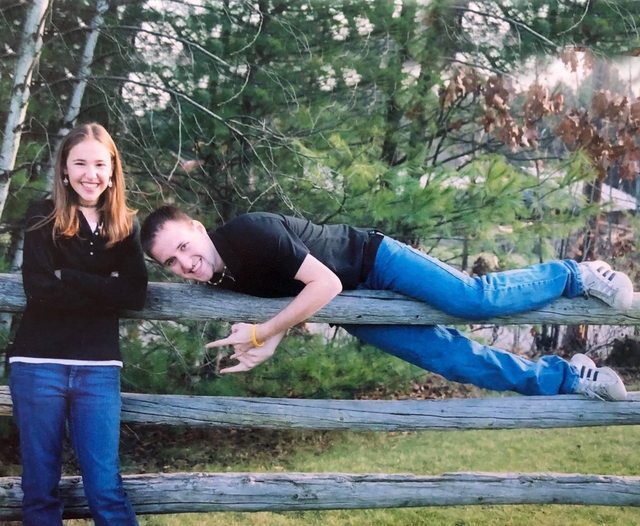
When she was raising funds for Fisher House, Christy never could have guessed that she would need a house.
University of Arizona Support
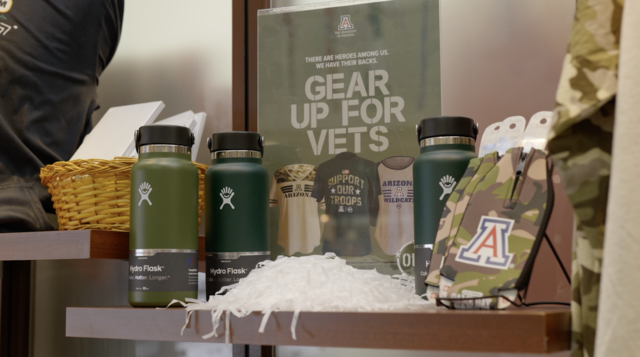
"To have the University of Arizona support your Fisher House...that's pretty cool." -Tuscon Fisher House manager